From Waste to Yarn – Professional manufacturer of cutting, opening & carding machines for textile recycling lines.


Morinte 100-300kg/h Multi-Material Textile Recycling Machine
Morinte's designed this textile waste recycling machine production line from scratch, integrating the multi-material adaptive capability into every step of the process, including loosening, sorting, transportation and packaging. The metal spark remover, as the deep integration of the online safety module, is the key guarantee for the reliable operation of the entire line. Whether it is dealing with used clothing, denim fabric, cotton waste, chemical fiber waste, non-woven fabric scraps and blended fabrics, this production line can complete the switch on a single line, taking into account fiber yield, equipment protection and fire safety. For customers seeking efficient, flexible and safe solutions for textile waste recycling, Morinte's multi-material adaptive production line provides a comprehensive solution designed from the very beginning, allowing used textiles to truly be transformed into reusable recycled fiber resources.
5.0
design customization
Please fill out the form below to request a quote or to request more information about us. Please be sure to upload customized requirement documents or pictures, and we will get back to you as soon as possible with a response. we're ready to start working on your new project, contact us now to get started.
Please fill out the form below to request a quote or to request more information about us. please be as detailed as possible in your message, and we will get back to you as soon as possible with a response. we're ready to start working on your new project, contact us now to get started.
Product Advantages
1
Multi-material adaptive capability
The production line is not created by modifying a single material model. Instead, during the design stage, it is planned to handle multiple materials. The loosening rollers have variable frequency speed control, the number of cleaning machines can be switched, the air flow volume can be adjusted, and it is combined with PLC formula-based management. A single production line can handle waste clothing, denim fabric, cotton waste yarn, chemical fiber waste, non-woven fabric scraps, and blended fabrics. During material changeover, the formula can be called up with one click, and there is no need to manually re-adjust item by item.
2
The metal spark remover is deeply integrated.
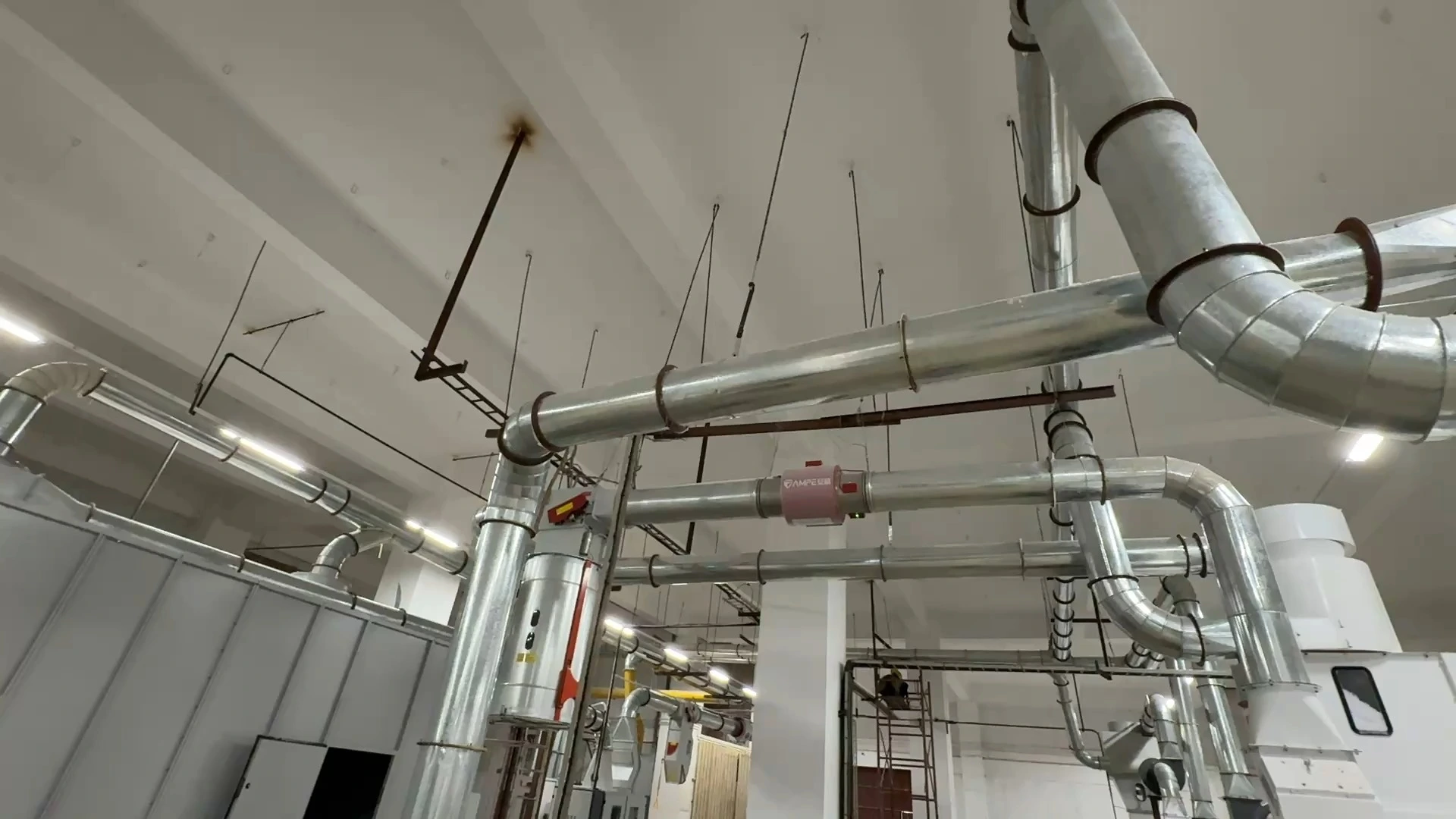
The Amp Metal Spark Remover is integrated as an online safety module into the production line control system: it can simultaneously detect ferromagnetic and non-ferromagnetic metals (typically ≥ 2mm iron, ≥ 3.5mm non-iron), and capture sparks as small as 0.5mm. It responds within approximately 100ms. It protects the high-speed unwinding rollers from being damaged by metal objects, while also blocking fire hazards in the pneumatic conveying and dust removal systems.
3
Balancing production capacity and fiber protection
Depending on the raw materials and configuration, the production capacity is approximately 100–300 kg/h. The variable frequency speed control regulates the feeding and the rotational speed of the rollers, allowing for adjustments in the tearing force for different fabrics. While loosening and removing impurities, it strives to protect the fiber length, thereby increasing the yield and usability of recycled fibers.
4
Full-process impurity removal and environmental protection design.
Cutting (optional) → Opening → Multiple series-connected cleaning machines → Complete packaging process. Combined with dust removal fans and dust filtration systems, it removes dust, short fibers and hard impurities, improving the workshop environment; Recycled fibers can be used for various destinations such as rotor spinning, non-woven fabrics, filling materials, etc., based on their quality.
Product specification
technical specification
Product Specifications
Packaging & Shipping
|
Machine Unit / Model |
Roller Size / Spec |
Capacity / Output |
Installed Power & Fan |
|
MKS600 (First Opening) |
600 x 1000 mm |
300–350 kg/h |
30 kw(Fan: 5.5 kw) |
|
MKS400 (Second Opening) |
400 x 1000 mm |
250–300 kg/h |
18.5 kw |
|
MSL250 x 12 (Multi-roller Fine Recycling) |
250 x 1000 mm (12 Rollers) |
200–250 kg/h |
11 kw/ two rollers (Dust Fan: 7.5kw/4kw) |
Product application direction
textile waste recycling production line mainly targets four types of customers: enterprises engaged in waste textile recycling and resource utilization, for processing complex and mixed incoming materials; textile and clothing manufacturing enterprises, for closed-loop reuse of waste materials within the factory; non-woven fabric and automotive interior material producers, for obtaining low-cost recycled fiber raw materials; home textile and filling material enterprises, for processing filling fibers. The recycled fibers produced can be directed to spinning, non-woven fabric, automotive interior, building materials, and home textile filling, achieving the resource utilization of waste textiles.
01. Waste textile recycling and resource processing enterprises
Waste textile recycling and resource processing enterprises are the most direct customer group for textile waste recycling machine production lines. These enterprises engage in the recycling, sorting, and resource processing of used textiles. The incoming materials are complex in composition and have large fluctuations in batches. They urgently need a multi-material adaptive production line that can handle used clothing, denim fabric, synthetic fiber waste yarn, and mixed fabrics.
2. Textile and garment manufacturing enterprises
During the production process, spinning mills, weaving mills, and garment factories will generate a large amount of hard back yarn, fabric scraps, and edge trimmings. The purpose of installing recycling lines in these enterprises is usually to achieve closed-loop reuse: they will fluff up their own waste to turn it into recycled fibers, and then re-invest it in the production of non-woven fabrics, filling materials, or low-count yarns.
3. Non-woven fabric and automotive interior material manufacturer
Mechanical recycled fibers are most widely applied in fields other than clothing. Among them, non-woven fabric and composite materials are the most prominent. Maotai's textile waste production line has the ability to process blended materials, chemical fiber waste fibers, and non-woven fabric scraps. This precisely meets the raw material demands of such enterprises. Automotive interiors account for approximately 12.7% of the application areas of fiber recycling equipment and represent a stable and continuously growing direction.
4. Home textile and filling material enterprises
Recycled fibers can be used as filling materials for mattresses, sofas, and toys. The demand for recycled polyester short fibers in the home textile industry is on the rise. These fibers have the lowest requirements for fiber length and the highest tolerance rate, making them suitable for processing mixed waste fibers of average quality.
微信图片_20260817140610_1793_87
微信图片_20260817141316_1794_87
微信图片_20260817141318_1795_87
1
Q: What materials can the textile waste recycling production line handle?
A: This production line can process waste fabrics, denim, cotton waste yarn, chemical fiber waste, non-woven fabric scraps, and blended fabrics on a single production line. It can switch flexibly between different types of raw materials.
2
Q: What is the production capacity of the textile waste recycling production line?
A: The production capacity varies depending on the raw materials and equipment configuration, and is approximately between 100 and 300 kilograms per hour.
3
Q: What are the yield and quality of recycled fibers?
A: The yield and quality of fibers depend on the feed materials and the loosening strength set by the variable frequency drive device. A gentler loosening process can retain the fiber length, which is suitable for high-value applications such as spinning; while a stronger loosening process is more suitable for filling and non-woven fabric applications, as these applications have lower requirements for fiber length.
4
Q: Does this production line support customized configurations and overseas services?
A: Yes, based on the raw materials, production capacity targets, and the usage of the output optical fibers, customized configurations can be supported, and overseas services can also be arranged. The specific customization scope and service terms need to be confirmed with the manufacturer during the quotation stage.
5
Q: How to select the appropriate configuration for different raw materials?
A: The configuration depends on the type of raw materials and the intended use of the fibers: a cutting machine is optional, the number of tandem cleaning units can be adjusted, and the detection channel mode can also be selected. For yarn-spinning output, it is recommended to add a cleaning stage and adopt a gentler opening and closing method; for filling or non-woven fabric applications, a configuration with higher throughput can be adopted.
{{item.score}} Stars
{{item.pre}}%
{{item.nickname ? (item.nickname.slice(0, 2) + '*****') : item.source === 1 ? 'mall buyer' : '--'}}
{{item.comment_time}}
Review in the {{item.country}}
{{itemAttr.params_key}}: {{itemAttr.params_value}}
Get in touch with us
Just leave your email or phone number in the contact form so we can send you a free quote for our wide range of designs!
Related Products
Ready To Work With Us ?
Jinan Morinte Machinery
Links
Products
Contact Us
Contact Person: Sam You
Phone: +86 13869178806
Email: morinte@morinte.com
WhatsApp: +86 13869178806
Address: No. 122, Building 2, No. 699 Huasheng Road, Sangzidian Town, Tianqiao District, Jinan, Shandong, China