From Waste to Yarn – Professional manufacturer of cutting, opening & carding machines for textile recycling lines.


Textile Waste Recycling Machine 250kg/h MKS serious new opening line
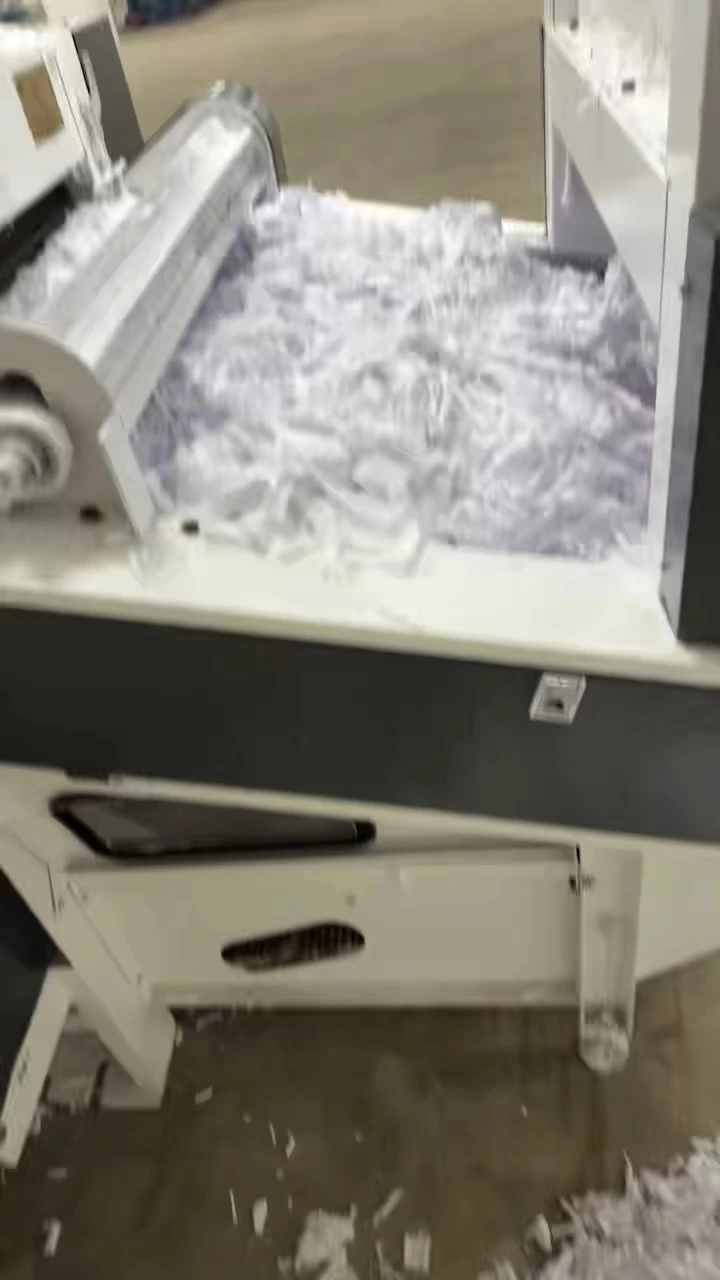
Textile waste recycling machines are industrial units built specifically to handle discarded textiles—things like cutting waste from garment factories, waste yarn, used clothing, and non-woven. They break these materials down and card them into reusable fibers, making it possible to recycle textile resources. The production line relies mainly on pure mechanical force to reduce textile waste to a fibrous state. The whole process typically goes like this: cutting → metal and spark detection → dust collection (under negative pressure) → moisture conditioning → fiber opening → baling. The recycled fibers produced can be used to make recycled yarn, filling materials, and industrial fabrics, which helps cut raw material costs and supports greener, more sustainable development in the textile industry.
5.0
design customization
Please fill out the form below to request a quote or to request more information about us. Please be sure to upload customized requirement documents or pictures, and we will get back to you as soon as possible with a response. we're ready to start working on your new project, contact us now to get started.
Please fill out the form below to request a quote or to request more information about us. please be as detailed as possible in your message, and we will get back to you as soon as possible with a response. we're ready to start working on your new project, contact us now to get started.
Product Advantages
1. Widely using multiple raw materials
Built around the concept of "broad-spectrum adaptability and flexible response," this production line handles a wide range of waste materials—hosiery and weaving fabric, denim scraps, non woven edges, yarn waste, and even post-consumer garments—through a combination of modular carding roller configurations and adjustable process settings. The system reads the physical properties of each batch—fiber length, strength, crimp, impurity level, and how tightly the material is tangled—and tailors the opening and carding process accordingly. This gets rid of the tight constraints that older recycling equipment typically places on material type, form, and composition, giving recyclers a level of flexibility.
2. Low-Damage Opening with High Throughput
The line operates on a "open first, card next, with multiple passes" principle. Precision dynamic balancing on the licker-in rollers keeps everything running smoothly at high speeds. Independent tests show fiber length retention rates of 85% or higher—well ahead of conventional machines. At a steady 200–350 kg per hour, it's competitive with anything in its class, delivering a solid mix of volume and final fiber quality, machine quality.
3. Integrated Dust Filtration, Safety, and Environmental Compliance
The line comes with a fully enclosed housing and a built-in dust filtration system that pulls airborne particles out right where they're generated, tackling the dust issue that's long been a headache in textile recycling. This closed-loop setup keeps shop floor air within occupational health limits and stops dust from escaping into the surrounding area. It's offering the kind of long-term reliability that modern facilities look for when they're trying to stay productive and environmentally responsible at the same time.
Product specification
technical specification
Product Specifications & Trading Information
Packaging & Shipping
|
Model No. |
MKS600x1300mm |
MKS400x1300mm |
MSL250x1300mm |
|
Capacity |
300-350kg/h |
250-300kg/h |
200-250kg/h |
|
Roller size |
600x1300mm |
400x1300mm |
250x1300mm |
|
Dust case |
500x1300mm |
500x1300mm |
500x1300mm |
|
Power |
30kw/roller |
15kw |
11kw/two rollers |
|
Weight |
2500kg |
1400kg |
700kg |
Product application
The core of Jinan Morinte's textile waste recycling production line is that it breaks through the strict restrictions of traditional recycling equipment on raw material sources, forms, and compositions. It can automatically match the optimal opening and carding processes based on physical parameters such as fiber length, strength, crimp degree, impurity rate, and entanglement density of different waste materials.
Spinning Mills
Processing blow-room droppings, carding fly, comber noil, and ring-frame pneumafil waste, etc., to establish a closed-loop "spinning → recycling → re-spinning" internal circular economy.
Weaving and Dyeing & Finishing Mills
Processing grey fabric trimmings, waste yarn cones, and denim cutting remnants, converting them into engineering fibers or staple fibers for filling applications.
Non woven Fabric Manufacturers
Recycling SMS edge trimmings, spunlace fabric waste, etc., for use as substrates for wipes or filtration media.
Garment and Home Textile Enterprises
Converting cutting-room floor sweepings and fabric offcuts into regenerated filling fibers (e.g., stuffing for toys, sofas, and cushions), thereby significantly reducing raw material procurement costs.
微信图片_20260817140609_1792_87 (2)
微信图片_20260817140610_1793_87 (3)
微信图片_20260817141316_1794_87 (2)
微信图片_20260817141318_1795_87 (2)
1
Q: What is the whole line size? How much space do I need in my workshop to place all machines?
A: Only recycling machine takes 13.5m*4.5m floor space. We suggest you leave a 15m*6m area in your factory for easy operation and maintenance.
2
Q: Does the machine have the fiber dropping auto return function? are the dust removal, fire protection and cutting systems all included?
A: Material dropping return system included, dust fan included. Fire protection system and cutting machine for option
3
Q: Is the PLC electric cabinet included for free? Can I adjust the speed of each motor separately?
A: PLC control is option if you need, all motor also can fix inverter to control the speed
4
Q: Will the machine damage fibers badly? Are the recycled fibers even in length?
A: Our low-damage opening design keeps fiber breakage low, short fiber percentage about 20-25%.
{{item.score}} Stars
{{item.pre}}%
{{item.nickname ? (item.nickname.slice(0, 2) + '*****') : item.source === 1 ? 'mall buyer' : '--'}}
{{item.comment_time}}
Review in the {{item.country}}
{{itemAttr.params_key}}: {{itemAttr.params_value}}
Get in touch with us
Just leave your email or phone number in the contact form so we can send you a free quote for our wide range of designs!
Related Products
Ready To Work With Us ?
Jinan Morinte Machinery
Links
Products
Contact Us
Contact Person: Sam You
Phone: +86 13869178806
Email: morinte@morinte.com
WhatsApp: +86 13869178806
Address: No. 122, Building 2, No. 699 Huasheng Road, Sangzidian Town, Tianqiao District, Jinan, Shandong, China